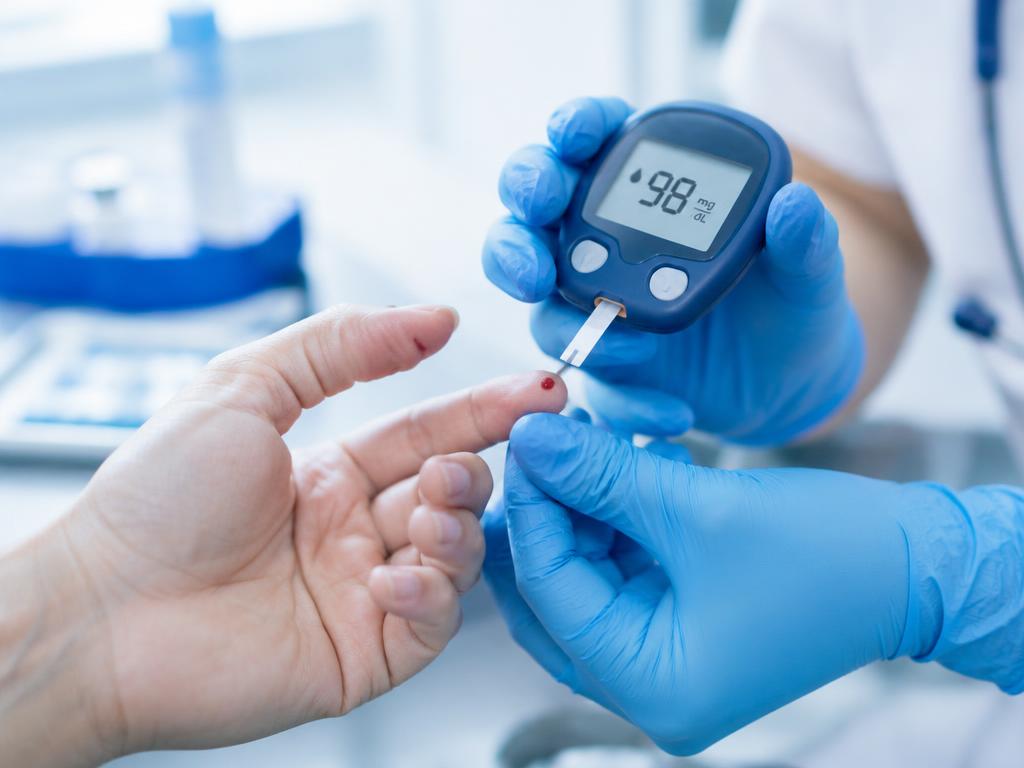
About Blood Sugar & HbA1c Testing
Blood sugar affects energy, concentration and recovery, on and off the court. Type 2 diabetes and pre-diabetes can develop gradually without obvious symptoms, so testing is sometimes the only way to know.
A blood glucose test shows your level at one moment, while HbA1c reflects your average blood sugar over roughly the previous two to three months. A doctor can advise which test suits your situation and what the results mean.
Who may benefit
- Adults with a family history of diabetes
- People carrying extra weight or with high blood pressure
- Players with diabetes who want to discuss monitoring around exercise
- Anyone with symptoms that could suggest raised blood sugar
Common reasons to seek an assessment
- Increased thirst or passing urine more often
- Unexplained tiredness or weight loss
- Slow-healing cuts or frequent infections
- Feeling shaky, faint or unwell during or after exercise
What to expect during your consultation
- Questions about your symptoms, family history and lifestyle
- A finger-prick or venous blood test as appropriate
- Explanation of your result and what normal, borderline and raised values mean
- Advice on follow-up testing, lifestyle changes or further care if needed
Frequently asked questions
What is the difference between glucose and HbA1c?
Glucose is a snapshot of your blood sugar at the time of testing. HbA1c gives an average over the previous two to three months.
Do I need to fast?
Some glucose tests require fasting and HbA1c usually does not. The clinic will tell you how to prepare.
Can I keep playing padel with diabetes?
Many people with diabetes exercise regularly. Discuss your treatment, monitoring and any low blood sugar risk with your doctor.
How quickly are results available?
Exact availability, which clinician you see and any test options should be confirmed directly with Doctor St Julian’s Clinic.
PadelPhysioMalta.com provides general educational information about padel, exercise, injury prevention and sports health. It does not replace individual medical diagnosis, assessment or treatment. Persistent, severe or worsening symptoms should be assessed by an appropriate healthcare professional. For urgent or life-threatening symptoms, seek appropriate emergency medical care.