About Heart Health & ECG Screening
Padel can be surprisingly intense, with bursts of high effort during long points. For most people this is healthy, but some symptoms or risk factors deserve a cardiovascular review before or while playing.
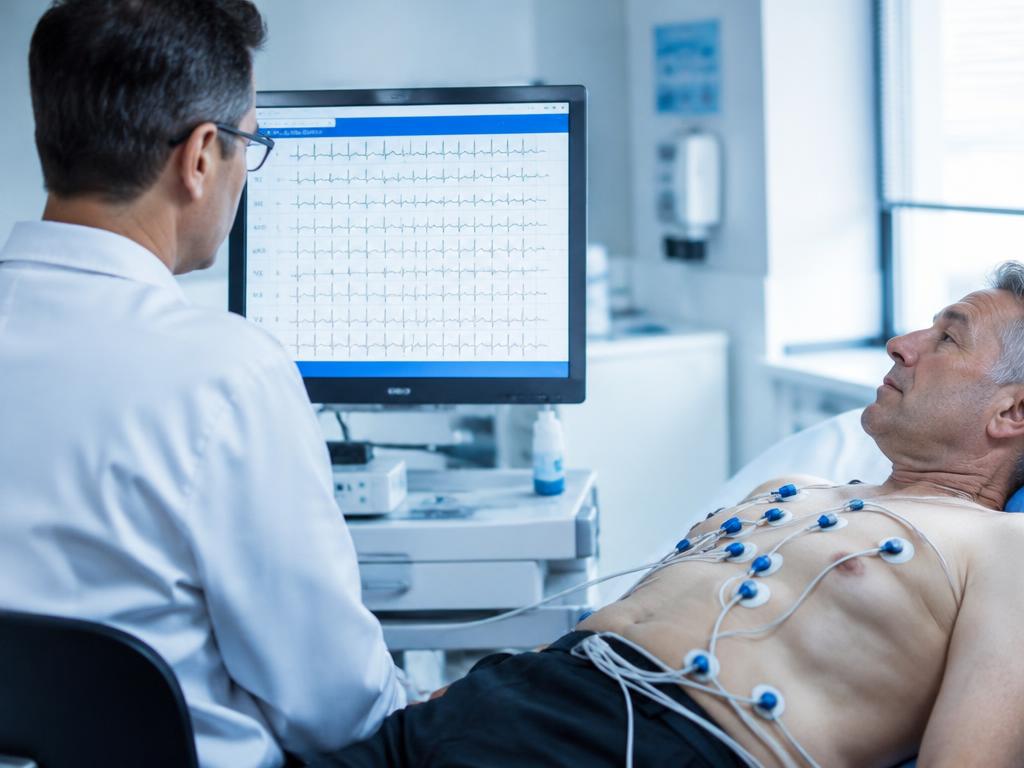
An electrocardiogram (ECG) records the electrical activity of your heart. It is quick and painless, and a doctor decides when it is appropriate and interprets it together with your history and examination.
Who may benefit
- Adults with a family history of heart disease or sudden cardiac death at a young age
- People with high blood pressure, high cholesterol or diabetes
- Players returning to vigorous sport after a long break
- Anyone who has noticed concerning symptoms during exercise
Common reasons to seek an assessment
- Palpitations or an irregular heartbeat
- Unusual breathlessness for the level of effort
- Dizziness or light-headedness during exercise
- Known heart risk factors and a plan to increase activity
What to expect during your consultation
- A detailed history and cardiovascular examination, including blood pressure
- A resting ECG when appropriate, using small adhesive electrodes
- Explanation of the findings
- Referral for further cardiology tests if they are needed
Frequently asked questions
Is an ECG painful?
No. Small sticky electrodes are placed on the chest, arms and legs, and the recording takes only a few minutes.
Does a normal ECG mean my heart is completely healthy?
A resting ECG is useful but cannot rule out every heart problem. The doctor interprets it alongside your history and examination.
I had chest pain on court. Should I book this service?
No. Chest pain, fainting or severe breathlessness during exercise need urgent medical attention. Call 112 in an emergency.
Is an ECG always included?
Exact availability, which clinician you see and any test options should be confirmed directly with Doctor St Julian’s Clinic.
PadelPhysioMalta.com provides general educational information about padel, exercise, injury prevention and sports health. It does not replace individual medical diagnosis, assessment or treatment. Persistent, severe or worsening symptoms should be assessed by an appropriate healthcare professional. For urgent or life-threatening symptoms, seek appropriate emergency medical care.